How To Dissolve An LLC In California

How Do I Pay Myself From My LLC

If you’ve recently formed a Limited Liability Company (LLC), one of the most common questions you might have is: How do I pay myself from my LLC? Understanding the process is crucial not only for maintaining your personal income but also for ensuring compliance with tax regulations. The way you pay yourself depends largely on how your LLC is structured and how it is taxed.

1. Understand Your LLC’s Tax Classification

LLCs are unique in that they offer flexibility in taxation. By default, a single-member LLC is treated as a disregarded entity for tax purposes, meaning the IRS considers the business and the owner the same for income tax purposes. A multi-member LLC is treated as a partnership by default.

However, LLCs can also elect to be taxed as an S Corporation or a C Corporation. This choice affects how you pay yourself: whether through distributions, salary, or a combination of both. Knowing your tax classification is the first step in determining the proper way to pay yourself.

2. Paying Yourself as a Single-Member LLC

If your LLC is a single-member and you haven’t elected corporate taxation, the simplest method is through owner’s draws. An owner’s draw is money you take out of the LLC’s profits for personal use. Here’s how it works:

  1. Determine available funds: Only draw from profits, not business assets needed for operations.
  2. Transfer funds: Move money from your business account to your personal account.
  3. Record the draw: Track each draw in your accounting system to separate personal withdrawals from business expenses.

It’s important to note that owner’s draws are not subject to payroll taxes at the time of withdrawal. Instead, you pay income taxes on the LLC’s profits when filing your personal tax return using Schedule C.

3. Paying Yourself from a Multi-Member LLC

For multi-member LLCs, members are usually paid through distributions, which function similarly to owner’s draws but are divided according to each member’s ownership percentage. It’s crucial to formalize the distribution agreement in your LLC’s operating agreement to avoid disputes.

Like single-member LLCs, distributions are not considered wages, so payroll taxes are not withheld at the time of payment. Members report their share of profits on their personal tax returns.

4. Paying Yourself if Your LLC is Taxed as an S Corporation

If you’ve elected S Corp taxation, the rules change. In this case, you must pay yourself a reasonable salary as an employee of the corporation. This salary is subject to payroll taxes (Social Security, Medicare, etc.). Additional profits can then be taken as distributions, which are not subject to payroll taxes, potentially saving money on self-employment taxes.

For example:

  • Determine a reasonable salary based on your role and market standards.
  • Run payroll, withholding taxes appropriately.
  • Take remaining profits as distributions.

This hybrid approach is popular because it balances tax efficiency with compliance.

5. Keep Proper Records

No matter your LLC type, keeping clear records is essential. Use accounting software to track draws, distributions, and payroll. Proper documentation protects your personal assets and ensures accurate tax reporting.

6. Consult a Professional

Paying yourself from your LLC has tax and legal implications. Missteps can lead to penalties or increased tax liability. Consulting a CPA or tax professional can help you optimize your payments while staying compliant.

Conclusion

Formation documents play a crucial role in understanding how to pay yourself from your LLC and maintaining both your personal finances and your business’s financial health. Whether you take an owner’s draw, a member distribution, or a combination of salary and dividends, clear planning and proper record-keeping guided by your formation documents will ensure smooth operations and tax compliance. By following the rules outlined in these documents and knowing your LLC’s tax classification, you can confidently pay yourself while keeping your business in good standing.

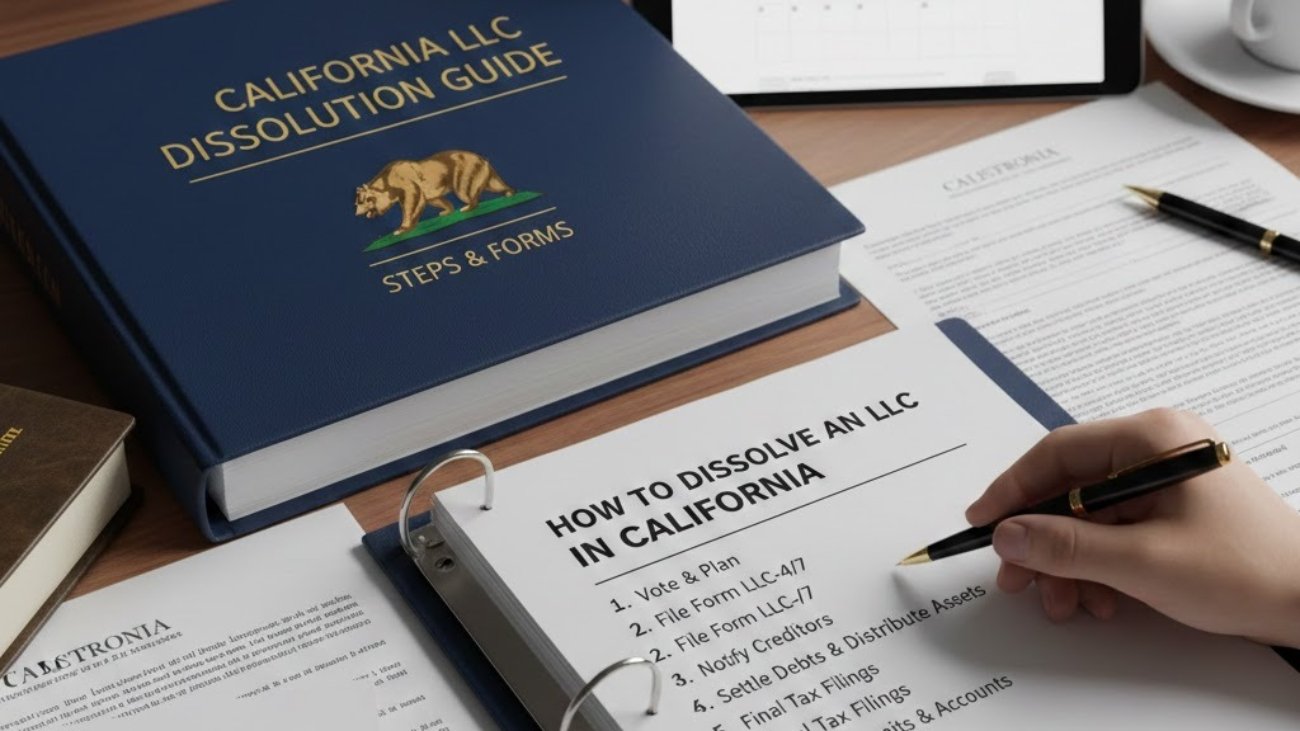
How To Dissolve An LLC In California

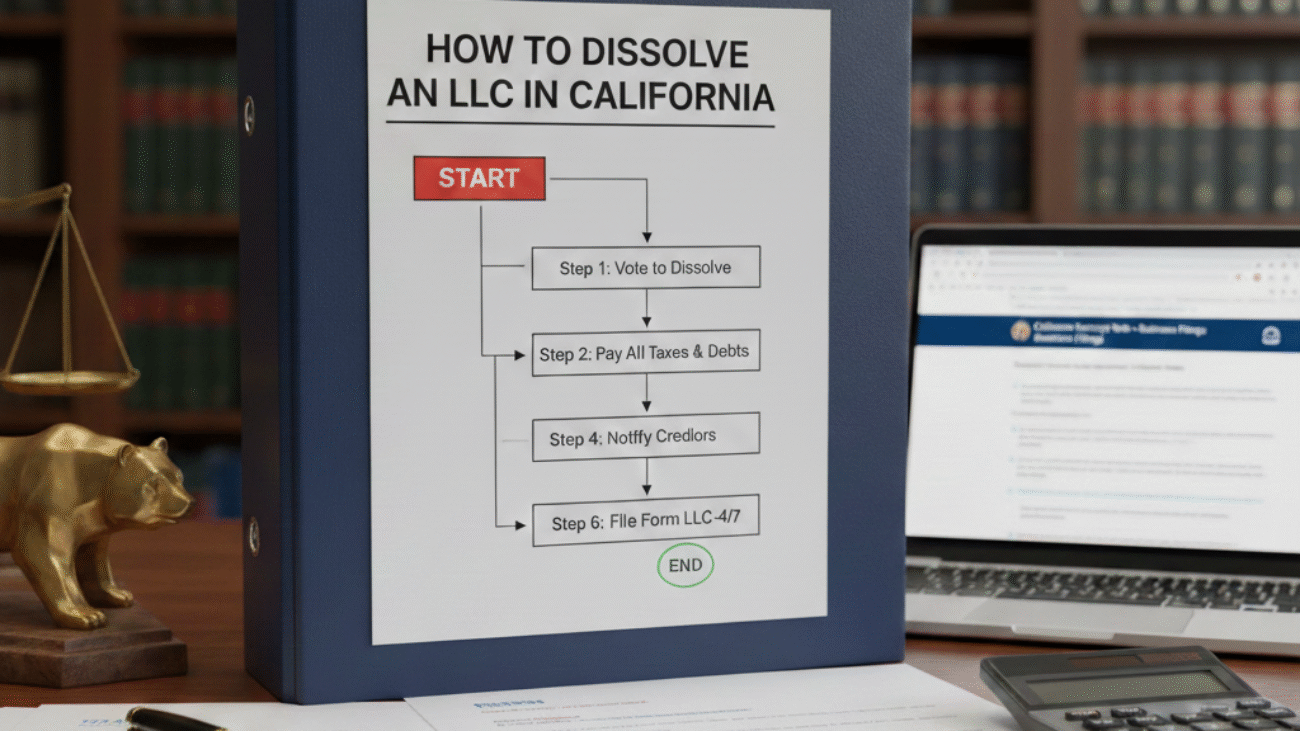
How To Dissolve An LLC In California

Dissolving a Limited Liability Company (LLC) in California may seem straightforward, but it requires careful attention to legal and financial details. Whether your business has achieved its goals, is no longer profitable, or you simply want to move on to other ventures, understanding the process ensures a smooth, compliant closure. Here’s a comprehensive guide on how to dissolve an LLC in California.

Step 1: Hold a Member Vote

The first step in dissolving a California LLC is internal. LLCs are governed by an operating agreement that usually outlines the process for dissolution. If your LLC has multiple members, a formal vote is typically required. California law generally requires that members approve dissolution in accordance with the operating agreement’s voting rules. If there is no specific rule, a majority vote of the members is sufficient. Document the decision to dissolve in writing for your records.

Step 2: File the Certificate of Dissolution

Once the members have approved the dissolution, the next step is filing the appropriate forms with the California Secretary of State. Most LLCs will file Form LLC-3 (Certificate of Dissolution).

  • Single-member LLCs can also use Form LLC-4/7 (Certificate of Cancellation) if there are no debts or obligations.
  • Multi-member LLCs must ensure all debts, liabilities, and obligations are addressed before filing.

The form can be submitted online, by mail, or in person. The filing confirms to the state that your LLC will cease operations and legally closes its existence in California.

Step 3: Settle Debts and Obligations

Before the dissolution is finalized, your LLC must settle all outstanding debts and obligations. This includes:

  • Paying off suppliers, vendors, and contractors
  • Settling employee wages and benefits
  • Resolving any pending lawsuits or claims

If the LLC cannot pay all debts, members may need to contribute additional funds according to the operating agreement. Properly documenting the payment of debts is crucial to avoid future legal or tax issues.

Step 4: Notify Creditors and Close Accounts

California law requires notifying creditors and claimants of your intent to dissolve. This allows them to submit claims for any remaining debts. You should also close the LLC’s business bank accounts, cancel licenses and permits, and terminate contracts tied to the business. This step ensures that no ongoing obligations remain and reduces the risk of personal liability for LLC members.

Step 5: File Final Tax Returns

Dissolving an LLC in California also involves tax responsibilities. The LLC must file final federal and state tax returns, including any employment or sales taxes. California requires the payment of any outstanding LLC taxes or fees to the Franchise Tax Board (FTB). Ensure all filings indicate that they are final returns and that the LLC is no longer operating.

Step 6: File a Certificate of Cancellation

After debts are settled, creditors notified, and taxes filed, the final step is filing Form LLC-4/7 (Certificate of Cancellation) with the California Secretary of State. This form officially cancels the LLC’s registration and removes it from the state’s records. Once accepted, your LLC no longer exists legally, and members are released from most liabilities, provided all obligations were met.

Tips for a Smooth Dissolution

  • Keep detailed records: Document every step, from member votes to debt payments.
  • Consult a professional: An attorney or accountant can help ensure legal and tax compliance.
  • Plan for taxes: California imposes an annual minimum franchise tax until the LLC is officially canceled.

Company formation knowledge is valuable when dissolving an LLC in California. Proper planning, filing, and compliance with both legal and financial obligations are essential. By following these steps holding a member vote, settling debts, notifying creditors, filing the correct forms, and handling taxes you can close your LLC efficiently and avoid future complications. This process provides a clear, structured, and legal way for business owners to end operations cleanly.

How To Close An Llc In California

How To Close An LLC In California

Closing a business is never an easy decision, but if you’ve decided it’s time to shut down your limited liability company, understanding how to close an LLC in California can save you time, money, and unnecessary stress. California has specific legal and tax requirements for dissolving an LLC properly, and skipping steps can lead to ongoing fees or penalties. This guide walks you through the process from start to finish.

Step 1: Review Your Operating Agreement and Get Member Approval

Before taking any formal action, review your LLC’s operating agreement. Most agreements outline the procedure for dissolving the company, including required member votes. If your LLC has multiple members, you’ll usually need a majority or unanimous vote to approve the dissolution. Document this decision in writing and keep it with your business records.

If your LLC does not have an operating agreement, California law generally requires the approval of at least 50% of the members to proceed with dissolution.

Step 2: Wind Up Business Operations

Once dissolution is approved, you must “wind up” your LLC’s affairs. This means stopping regular business activities and taking care of outstanding obligations. Common wind-up tasks include:

  • Notifying employees, clients, and vendors
  • Collecting outstanding payments owed to the LLC
  • Paying remaining debts, bills, and liabilities
  • Closing business bank accounts
  • Canceling licenses, permits, and registrations

California law requires that all known debts be paid or adequately provided for before the LLC is officially closed.

Step 3: File Dissolution Forms with the California Secretary of State

A crucial part of learning how to close an LLC in California is filing the correct paperwork with the Secretary of State (SOS).

Most LLCs must file two forms:

  1. Certificate of Dissolution (Form LLC-3)
  2. Certificate of Cancellation (Form LLC-4/7)

However, some LLCs may qualify for Short Form Cancellation (Form LLC-4/8) if they meet specific requirements, such as:

  • The LLC was formed within the last 12 months
  • It has no debts or liabilities
  • It has not conducted significant business

There is currently no filing fee for these forms, which helps keep closure costs low.

Step 4: File Final California and Federal Tax Returns

Even after business operations stop, tax obligations remain. You must file a final California LLC tax return with the Franchise Tax Board (FTB) and check the box indicating it is a final return.

Depending on your LLC’s tax classification, you may also need to file a final federal return with the IRS. Be sure to issue final Schedule K-1s to members if required.

Important note: California generally requires the $800 annual franchise tax until the LLC is officially canceled. Failing to file dissolution paperwork promptly can trigger additional tax liability.

Step 5: Notify the Franchise Tax Board and Other Agencies

After filing your final return, ensure all tax accounts are settled. If your LLC had employees, you must also file final payroll reports and notify the Employment Development Department (EDD). This step prevents future compliance notices or penalties.

Step 6: Keep Records of the Closure

Even after your LLC is closed, keep dissolution documents, tax filings, and financial records for at least several years. These records can protect you if questions or audits arise later.

Final Thoughts

Before you decide to close your LLC, it’s important to remember how you initially open your company in California, because the steps to legally shut it down are very different from starting it. Closing your LLC properly ensures you avoid unnecessary fees, taxes, and legal complications.

LLC for Non-US Residents

How to Open an LLC for Non-US Residents

Starting a business in the United States is a popular choice for entrepreneurs around the world. Thanks to a strong legal system, global credibility, and access to international markets, the U.S. is an attractive place to form a company. The good news? You do not need to be a U.S. citizen or resident to open a Limited Liability Company (LLC). Here are the steps through which you can understand about everything of an LLC for Non-US Residents.

What Is an LLC and Why Is It Ideal for Non-Residents?

A Limited Liability Company (LLC) is a flexible business structure that combines the simplicity of a sole proprietorship with the liability protection of a corporation. For non-US residents, an LLC is appealing because:

  • It protects personal assets from business liabilities
  • It has fewer compliance requirements than corporations
  • It allows pass-through taxation in many cases
  • It can be 100% foreign-owned

This makes an LLC one of the easiest and most cost-effective ways for international entrepreneurs to operate legally in the U.S.

Step 1: Choose the Right State

Non-US residents can form an LLC in any U.S. state, but some states are more business-friendly than others. The most popular choices include:

  • Delaware – Known for business-friendly laws and strong privacy
  • Wyoming – No state income tax and low annual fees
  • Florida – Ideal if you plan to operate or hire in the state

If you will have a physical presence, employees, or customers in a specific state, it’s often best to form your LLC there.

Step 2: Select a Unique LLC Name

Your LLC name must be unique within the chosen state and include “LLC” or “Limited Liability Company.” Before filing, check name availability on the Secretary of State’s website for that state.

Avoid restricted words such as “bank,” “insurance,” or “university” unless you have special approval.

Step 3: Hire a Registered Agent

Every LLC must appoint a registered agent with a physical address in the U.S. This agent receives legal documents, tax notices, and official correspondence on behalf of your company.

Since non-US residents don’t usually have a U.S. address, hiring a professional registered agent service is essential.

Step 4: File Articles of Organization

To officially form your LLC, you must file Articles of Organization with the state. This document typically includes:

  • LLC name
  • Registered agent details
  • Business address
  • Member or manager information

Filing fees vary by state and usually range from $50 to $300.

Step 5: Obtain an EIN (Employer Identification Number)

An EIN is required to open a U.S. business bank account, file taxes, and hire employees. Non-US residents can apply for an EIN without a Social Security Number (SSN) by submitting Form SS-4 to the IRS.

You can apply by fax or mail, or use a professional service to speed up the process.

Step 6: Open a U.S. Business Bank Account

Opening a business bank account is a critical step. Some U.S. banks require an in-person visit, while others support remote account opening for non-residents through fintech platforms.

You’ll typically need:

  • EIN
  • LLC formation documents
  • Passport
  • Operating Agreement

Step 7: Understand Tax and Compliance Requirements

Non-US owned LLCs must comply with U.S. federal and, in some cases, state tax obligations. Even if your LLC has no income, you may need to file informational tax forms such as Form 5472.

Annual reports and renewal fees may also be required depending on the state.

Final Thoughts

Company Formation for non-US residents is straightforward when you follow the correct steps. With no citizenship requirement and minimal barriers, the U.S. remains one of the best places in the world to start and grow a business. By choosing the right state, staying compliant, and getting professional support when needed, non-US entrepreneurs can successfully run a U.S. LLC from anywhere in the world.

How long does it take to process an LLC in Wyoming?

How long does it take to process an LLC in Wyoming?

Wyoming’s low-fee business registration, business-friendly legislation, and privacy protection make it a popular state for new businesses. The most frequent question new business owners ask is How long does it take to process an LLC in Wyoming? Knowing the timeline will help you better plan your bank accounts, tax registrations, and contracts.

Standard Wyoming LLC Processing Time

Wyoming is relatively quick to respond under normal circumstances compared with other states. The processing time for Wyoming LLCs filed online is usually 3 to 5 working days. The Wyoming Secretary of state may require a little more time to process paper filings, usually 7-10 business days.

For anyone wondering How long does it take to process an LLC in Wyoming?, online filing is the fastest and most reliable option.

Expedited LLC Filing in Wyoming

Wyoming doesn’t advertise an expedited service, like other states. However, due to a low backlog of filings in Wyoming they are processed fairly quickly. When filing online, many entrepreneurs get approval in 24 to 72 hours. Wyoming is a great choice if you are looking for same-day LLC approvals or quick LLC formation.

Knowing How long does it takes to process an LLC in Wyoming? This is especially true if you’re forming an online business, real estate or e-commerce.

Factors That Affect Processing Time

There are several factors that can affect how fast your LLC will be approved.

  • Document accuracy
  • Your LLC name is available
  • Agents registered
  • Online vs. mail filing

The approval process can be delayed by errors or incomplete details. A Wyoming registered agent service or an LLC formation company can ensure a smooth process.

What Happens After LLC Approval?

Wyoming Secretary of state will confirm your approval once you receive it. You should then:

  • You can apply for a EIN
  • Opening a Business Bank Account
  • Get the necessary licenses
  • Wyoming Annual Report

Many business owners continue to ask, “How long will it take for an LLC to be approved in Wyoming, even after approval?” Because post-formation planning is also required.

Why Wyoming Is Known for Fast LLC Formation?

Wyoming is consistently ranked high in the USA for its low-cost LLC formations, no state income taxes, and minimal filing fees. This, combined with the fast processing time, makes Wyoming ideal for small and startup businesses across America.

Last Thoughts

Understanding how long it takes to process an LLC in Wyoming? You can move ahead with confidence. Wyoming is one of the most efficient and business-friendly states for forming an LLC. It offers online filing and minimal delays.

Read More:

How to check an LLC in Wyoming?

How to check an LLC in Wyoming

How to check an LLC in Wyoming?

Verifying a business’s legal status is important before doing any kind of business or starting your own. Knowing How to Check an LLC in Wyoming? helps you confirm whether a business is active, legally registered, and compliant with state regulations. Wyoming has low taxes and strict privacy laws. This makes it a popular state for LLCs.

Why You Should Verify a Wyoming LLC?

By checking whether a Wyoming LLC exists, you can ensure the company has a good reputation and is legitimate. Entrepreneurs, investors, suppliers, and those entering into a contract can all benefit from this step. By understanding how to check an LLC in Wyoming. will help you avoid fraud and confirm the company’s ownership.

Use the Wyoming Secretary of State Business Search

The Wyoming entity check is the most accurate way to verify an LLC. You can search this official database by business name, filing number, or registered agent. This database contains accurate, up-to-date records of all businesses.

You can search by:

  • Status of LLC (active or non-active).
  • Date of Formation
  • Agents registered
  • Address of the Principal Office

The method for checking the status of Wyoming LLCs is also free.

Steps to Check an LLC in Wyoming

Follow these steps to understand how to check an LLC in Wyoming. 

  1. Wyoming Secretary of State website
  2. Search for business entities
  3. Please enter the name of your LLC or its filing number
  4. Check the details of your business carefully

The process is the same whether you want to verify an existing LLC or check name availability prior to forming a brand new LLC.

Additional Ways to Verify a Wyoming LLC

You can also cross-check the information by using:

  • Websites for Registered Agent Services
  • Platforms for business credit reports
  • Databases of public records and compliance

They can also provide information on the business’s compliance, ownership, and credibility.

Why Wyoming LLC Searches Matter?

In today’s competitive business world, it is important to know how to check an LLC in Wyoming. Wyoming’s business-friendly laws attract companies across the U.S., underscoring the importance of due diligence. Verifying LLC information is important for your legal and financial interests, whether you’re forming a company or are working with one that already exists.

Last Thoughts

Checking an LLC’s status in Wyoming will give you the confidence to deal with business. Using the Wyoming Secretary of State’s business search, along with related tools, allows you to quickly verify an LLC’s status, its legitimacy, and compliance. This will help you make smarter, safer decisions.

Read More:

Wyoming LLC Formation

image-6

How to Perform a Quick and Accurate Wyoming LLC Lookup Online

Estimated reading time: 12 minutes

Key Takeaways

A Wyoming LLC lookup provides quick, official access to a company’s legal standing and registered agent details.
Using the Wyoming LLC search helps avoid scams and ensures confidence in working with Wyoming businesses.
The official state tools are free, up-to-date, and more reliable than paid third-party services.
Regular lookups protect your own LLC’s compliance and help verify partners or investment targets.
Owner privacy is strong in Wyoming, but the registered agent’s info is always public for legal notices.

Table of contents
1.Introduction
2.What Is a Wyoming LLC Lookup?
3.Why Perform a Wyoming LLC Search?
4.Step-by-Step Guide to Perform a Wyoming LLC Lookup
5.Additional Tips for an Effective Wyoming LLC Lookup
6.Common Questions About Wyoming LLC Lookups
7.Conclusion
8.Call to Action

Introduction
Verifying a business before you sign a contract or send money is critical—especially when dealing with companies registered in Wyoming. This state is famous for its pro-business rules and strong privacy, but that means doing your homework is even more important. A Wyoming LLC lookup ensures you know exactly who you’re dealing with, helping you spot real LLCs, check their legal status, and see other important details.

Thanks to the official online Wyoming LLC search tools, you can look up most Wyoming businesses in minutes. Whether you’re a business owner, a potential investor, a supplier, or anyone considering working with a Wyoming LLC, these quick lookups give you peace of mind and help you make smart, safe choices.

Using the state’s LLC search Wyoming lets you:

Confirm a company’s legitimacy in seconds
Avoid falling for scams or errors
Make more confident decisions
Let’s break down exactly how to use these tools and why they matter so much.

What Is a Wyoming LLC Lookup?
A Wyoming LLC lookup is a simple way to access official public information about any limited liability company registered in Wyoming. This is done by searching the Wyoming Secretary of State’s online database. Anyone—business owners, partners, clients, or investors—can use this system to check company details free of charge.

What Can You Find with a Wyoming LLC Lookup?
Official Business Name: The legal name as registered with the state
Filing ID/Number: The unique code the state assigns to every LLC
Business Status: Current state, such as Active, Inactive, or Dissolved
Standing: Is the LLC up to date with tax reports and does it have a current registered agent?
Registered Agent Information: The person or company officially listed to receive legal papers for the LLC
Filing and Formation Dates: When the business was first set up and officially filed in Wyoming
Principal and Mailing Address: Physical address and mailing address on file
History and Notes: Key events in the LLC’s timeline (such as amendments or past suspensions) and sometimes public notes if shared with filings
Members/Officers: In some cases, officers or managers, if listed in public filings. For more on managing and forming LLCs, see this guide
Understanding Different Types of Searches
There are a few closely related searches you might use in Wyoming:

Wyoming LLC Lookup: General process for pulling up information about any Wyoming LLC—by name, ID, or other keywords
Wyoming LLC Name Search: Checks if a specific LLC name is already taken or available, a key step when forming a new company (source)
General Wyoming LLC Search (sometimes “state of wyoming llc search”): This can be broader and may include all business entities like corporations or partnerships
Use cases:
LLC Lookup: Best for checking an existing business’s legal status
LLC Name Search: Ideal when you want to register a new company and need to see if your chosen name is unique
General Search: Useful if you’re casting a wide net or unsure of business type

No matter your goal, these searches rely on the same accurate state-maintained records.

Why Perform a Wyoming LLC Search?
Doing a Wyoming LLC search is about more than just curiosity. There are several top reasons to use the official state of wyoming llc search:

Key Motivations
Confirm Legal Existence and Good Standing
– Make sure the business exists and is allowed to operate
– Double-check they’re up to date and not dissolved or suspended
Check Company Status
– Only “Active” LLCs in “good standing” can do business comfortably in Wyoming
– Avoid working with LLCs whose standing is in question
Proper Due Diligence
– Investigate partners or investment targets before you sign deals (more info)
– Required step in due diligence for partnerships, mergers, or acquisitions
Verify Name Availability
– If you’re forming your own LLC, use the Wyoming LLC name search to check that your chosen name isn’t already taken or too similar to an existing business (source)
Get Registered Agent Details
– See who is officially appointed to receive legal notices for the company—essential for sending legal paperwork, lawsuits, or compliance reminders (details)
Monitor Your Own LLC
– Business owners regularly log in to check their compliance status, annual report filings, and whether the LLC is still in good standing (learn more)
Why Use the Official State Search?
The Wyoming Secretary of State’s search tools are the most accurate and up-to-date—better than any commercial database or paid sites, which often have old or incomplete information. Every filing, update, or compliance issue appears in the record almost immediately as the state processes them.

Never assume a business is real until you check. Anyone can claim to be an LLC, but only the Wyoming LLC lookup shows the real current status, official contacts, and much more.

Step-by-Step Guide to Perform a Wyoming LLC Lookup

  1. Access the Official Wyoming Secretary of State Business Search Page
    Go straight to the state’s business search site:
    https://wyobiz.wyo.gov/Business/FilingSearch.aspx

This is the home for all Wyoming LLC lookup actions.

  1. Enter the LLC Name or Filing ID
    How to search:

Type in the full LLC name if you know it.
If you’re unsure, enter part of the name or a distinctive keyword.
The search is user-friendly:
– It ignores capitalization, spaces, and most punctuation.
– “LLC” and “L.L.C.” are treated the same.
– For best results, keep it simple—use main words from the company name.

If you know the business’s Filing ID—the unique number given by Wyoming—type it in for exact results.

Learn more about LLC search tips.

  1. Perform the Wyoming LLC Name Search (If Checking Availability)
    If you want to register a new LLC:
    – Type your desired business name into the search box.
    – Click “Search.”

What do results mean?
– No results: The name is probably available, but check for close variants.
– Any matches: If similar names come up, read through to ensure yours is not too close. The system will prevent names that are “deceptively similar.”

More on Wyoming LLC name search

  1. Review and Interpret Search Results
    Your search will load a list of entries in a table. Key columns include:

Name: The registered legal or trade name of the LLC
Filing ID: The Wyoming-assigned number for the business
Status: “Active,” “Inactive,” “Dissolved,” “Delinquent,” etc.
Standing – Tax: Whether tax reports and payments are current
Standing – RA: Whether the registered agent is active and valid
Filed On: When the company was officially established
Next steps:
– Click any business name in the list to open a Detailed Profile.
– On this profile, you’ll see:
– Registered agent’s name and address
– Mailing and principal addresses
– Full legal status and sub-status (ex: “Administratively Dissolved”)
– Entity type (LLC, corporation, partnership)
– Entity’s history (amendments, changes, or filings)
– Notes or public filings

This is where you’ll confirm the exact state of the LLC and gather all official contact or compliance information.
Official Wyoming Secretary of State site

  1. Refine or Repeat Search If Needed
    If your first search didn’t work or gave you too many results:

Try alternate spellings (think of “LLC” vs. “L.L.C.”).
Remove special characters or words like “Company.”
Sometimes, just using the main part of the name works best.
If you have a Filing ID or registered agent’s name, try using those instead.
If you still can’t find your desired LLC, review common troubleshooting tips in the FAQ section further down.
Wyoming Secretary of State
Wyoming LLC search help

Additional Tips for an Effective Wyoming LLC Lookup
Double-Check Name Details
Misspellings or skipped words can cause the system to miss your target LLC
Try both “LLC” and “L.L.C.” and possible alternative forms
Do Regular Lookups
If you operate an LLC—or plan to join one—check the company’s status a few times a year.
This ensures you catch compliance lapses, tax issues, or filings you may have missed (learn more).

No Hidden Costs
The official Wyoming llc look up tool is always free and public.
There’s no login, sign up, or payment needed—beware of third-party sites asking for money for the same records.

Owner Privacy vs. Registered Agents
Wyoming is famous for owner privacy—the state rarely lists actual members or owners in the public database (details).
However, the registered agent’s details (name and address) are always public and must be kept up to date for legal compliance (more info).

Wyoming Secretary of State
Wyoming LLC search blog
State business entity search site

Common Questions About Wyoming LLC Lookups
What if I Cannot Find an LLC in the Wyoming LLC Search?
If your Wyoming llc lookup gives no result, consider these causes:

The business isn’t registered in Wyoming (maybe it’s in another state)
The name is misspelled—try shorter or partial keywords
The business was dissolved or is using a DBA (“doing business as”) name
Record might use an acronym or slightly different spelling
Quick solutions:
– Recheck spelling and try dropping or adding “LLC”/“L.L.C.”
– Try searching by Filing ID or registered agent
– Still stuck? Contact the Wyoming Secretary of State for help

What is the Difference Between a Wyoming LLC Lookup and Other Business Entity Lookups?
– The Wyoming llc search focuses on limited liability companies, showing only LLC records.
– The general business search includes all organizations—corporations, LPs, LLPs, nonprofits, and more (source).

Note:
– Some details—like members’ names—are much less likely to show up for LLCs compared to other entities, because of Wyoming’s privacy laws (info).
– For LPs, corporations, or others, public data may be different or more detailed.

Conclusion
The Wyoming LLC lookup system is your go-to resource for accurate, timely business verification. Whether you’re researching a possible partner, checking on a company’s good standing, or making sure your own LLC filings are up-to-date, the official site gives you all the answers—quickly and at no cost.

Why use the Wyoming LLC search system?
– Fastest, most reliable data—updated by the state in real time
– Official public records, not summaries or outdated info
– Essential for due diligence, compliance, and name availability (guide)

Don’t risk mistakes by relying on non-official tools. For every important business move—partnering, investing, or even just picking your new Wyoming company name—do a quick, official search wyoming llc online first.

Wyoming Secretary of State
Wyoming LLC search blog
State business entity search site

Call to Action
Ready to start or secure your Wyoming LLC?
Visit OpenYourCompany.com for step-by-step help with LLC formation, compliance tracking, and guidance on Wyoming’s official business tools.

We’ll assist you with easy LLC setup and ongoing compliance (formation guide)
Get expert tips to understand search results and business filings
Rely on professionals to keep your company’s good standing year after year
Don’t just look up Wyoming LLCs—build and grow your own the right way.
Check your name, verify records, and lay a strong business foundation with OpenYourCompany.com.

Your Wyoming business journey starts here—confident, compliant, and secure.
Let OpenYourCompany.com be your trusted partner for every step of the Wyoming LLC process.

assets_task_01jwzhggsde218me2rmhx0r9bb_1749110296_img_0

The Importance of LLC Formation and Trademark Services for Your Business

Starting a business is an exciting venture, but it comes with its fair share of challenges. Two critical aspects of setting up a successful business are LLC formation and trademark registration. These legal foundations not only protect your business but also position it for growth and credibility in a competitive market. In this blog, we’ll explore why LLC formation and trademark services are essential for any entrepreneur looking to establish and grow their business.

What is LLC Formation?
A Limited Liability Company (LLC) is one of the most popular business structures in the United States, and for good reason. An LLC combines the flexibility of a partnership with the liability protection of a corporation. This means that as a business owner, your personal assets are protected from any debts or liabilities incurred by the business. LLC formation involves registering your business with the state, which legally separates your personal and business assets.

Benefits of LLC Formation:
Limited Liability Protection: One of the primary reasons entrepreneurs opt for an LLC is the protection it offers. Your personal assets, such as your home or savings, are shielded from any business-related lawsuits or debts.
Tax Flexibility: LLCs offer a range of tax options, allowing you to choose how your business will be taxed. You can opt for pass-through taxation, where profits and losses are reported on your personal tax return, or elect for the business to be taxed as a corporation.
Ease of Management: Unlike corporations, LLCs have fewer compliance requirements and administrative responsibilities. There are no requirements for a board of directors, annual meetings, or the formalities required of a corporation.
Credibility: Having “LLC” in your business name adds credibility and professionalism, which can be crucial in building trust with clients, investors, and partners.
The Importance of Trademark Services
A trademark is a symbol, word, or phrase that identifies and distinguishes your goods or services from those of others. Registering a trademark gives you exclusive rights to use that mark in connection with your products or services. Trademark registration is a crucial step in protecting your brand and ensuring that no one else can legally use your business name, logo, or slogan.

Benefits of Trademark Registration:
Brand Protection: A registered trademark legally protects your brand from infringement. It ensures that your brand remains unique and prevents competitors from using a similar name, logo, or slogan that could confuse customers.
Nationwide Rights: Once registered, a trademark gives you exclusive rights to use the mark nationwide, regardless of where your business is located. This is particularly important if you plan to expand your business or operate online.
Increased Brand Value: A registered trademark is an asset that adds value to your business. It can be licensed or sold, and it increases the overall worth of your company, especially if you plan to seek investors or sell your business in the future.
Legal Recourse: If someone infringes on your trademark, you have the legal right to take action against them. This includes the ability to sue for damages and prevent them from using your mark.
Why You Need Both LLC Formation and Trademark Services
While LLC formation protects your personal assets and establishes your business legally, trademark registration safeguards your brand identity. Together, they provide a comprehensive foundation for your business, ensuring that you’re protected from both legal liabilities and brand infringement.

Starting a business is more than just having a great idea; it’s about protecting that idea and building a strong foundation for future growth. LLC formation and trademark services are essential steps in that process. They not only protect your business but also enhance its credibility, making it easier to attract customers, partners, and investors.

Conclusion
At Open Your Company, we specialize in providing expert LLC formation and trademark services to help you establish and grow your business with confidence. Whether you’re just starting out or looking to protect an existing business, our team is here to guide you through every step of the process. Let us help you build a strong, legally protected business that’s ready to thrive in today’s competitive market.

assets_task_01jwxkrpjdf34rh4rkyxmfr5gf_1749045527_img_0

Building a Strong Foundation: The Vital Role of LLC Formation and Trademark Services

Starting a business is a thrilling endeavor filled with dreams of success and growth. However, the journey from a great idea to a thriving enterprise involves critical steps that many entrepreneurs might overlook. Two of these foundational steps are forming a Limited Liability Company (LLC) and securing trademark protection for your brand. These processes are not just legal formalities; they are essential for protecting your business and setting it up for long-term success. In this article, we’ll explore why LLC formation and trademark services are indispensable for any business owner.

Why LLC Formation is Crucial for Your Business
A Limited Liability Company (LLC) is a popular business structure that offers a balance of protection, flexibility, and simplicity. When you form an LLC, you are creating a legal entity that is separate from your personal finances, which provides significant advantages.

Key Benefits of Forming an LLC:
Personal Asset Protection: One of the primary reasons to form an LLC is the protection it offers to your personal assets. If your business faces a lawsuit or incurs debt, your personal belongings, like your home or personal savings, are shielded from creditors.
Flexible Tax Options: LLCs are known for their tax flexibility. By default, an LLC is taxed as a pass-through entity, meaning the business itself is not taxed. Instead, profits and losses are reported on the owner’s personal tax return. However, you can choose to have your LLC taxed as a corporation if it benefits your financial situation.
Operational Simplicity: Unlike corporations, LLCs have fewer compliance requirements. There’s no need for a board of directors, formal annual meetings, or extensive record-keeping. This simplicity makes managing an LLC much easier, especially for small business owners.
Professional Credibility: Having “LLC” at the end of your business name not only protects you legally but also enhances your business’s credibility. It signals to customers, partners, and investors that your business is legitimate and well-structured.
The Importance of Trademark Services for Your Brand
A trademark is more than just a name or logo—it’s the identity of your business. Trademark registration gives you the exclusive right to use your brand’s identity in the marketplace, protecting it from imitation and ensuring that your business remains unique.

Why Trademark Registration is Essential:
Brand Protection: Registering your trademark ensures that no other business can use your brand name, logo, or slogan. This protection is crucial for maintaining your brand’s uniqueness and preventing confusion in the market.
Nationwide Coverage: A registered trademark provides you with exclusive rights across the entire United States, regardless of where your business is located. This is especially important in today’s digital world, where businesses often operate online and reach customers nationwide.
Business Value Enhancement: A trademark is an asset that adds significant value to your business. It can be sold, licensed, or franchised, providing additional revenue streams. Moreover, a strong trademark can make your business more attractive to investors and buyers.
Legal Safeguards: With a registered trademark, you have the legal right to enforce your brand’s exclusivity. This means you can take legal action against anyone who uses your brand without permission, protecting your business from infringement and dilution.
How LLC Formation and Trademark Services Work Together
Forming an LLC and registering a trademark are two sides of the same coin when it comes to building a solid foundation for your business. While LLC formation protects your personal assets and creates a legal framework for your business, trademark registration safeguards your brand’s identity. Together, they provide comprehensive protection that allows you to focus on growing your business with confidence.

By ensuring that your business is legally structured and that your brand is protected, you reduce the risk of legal disputes and brand confusion. This legal security not only helps in attracting customers and partners but also positions your business for sustainable growth.

Conclusion
Starting a business is an exciting journey, but it requires careful planning and strategic decisions. LLC formation and trademark registration are critical steps that protect your business and set it up for success. At Open Your Company, we specialize in helping entrepreneurs navigate these essential processes. Our expert team is here to guide you through LLC formation and trademark services, ensuring that your business is legally secure and your brand is protected. Let us help you build a strong foundation for your business, so you can focus on achieving your entrepreneurial goals and making your mark in the market.

image

Wyoming Anonymous LLC: How to Protect Your Assets and Keep Ownership Private

Estimated reading time: 15 minutes

Key Takeaways
A Wyoming anonymous LLC offers unparalleled owner privacy by omitting member/manager names from public records.
Strong asset protection features include limited liability, charging order protection, and a robust corporate veil.
Wyoming LLCs require a registered agent to maintain privacy and handle official correspondence.
Trusted strategies such as nominee managers, multi-tier structures, and strict compliance maximize privacy and legal protection.
While not absolute, Wyoming’s laws provide a significantly higher confidentiality level than other states, making it ideal for savvy business owners and investors.
Table of contents
Introduction
What Is a Wyoming Anonymous LLC?
How Wyoming LLCs Provide Owner Privacy
Wyoming LLC Asset Protection Features
Strategies to Maximize Privacy and Asset Protection Using a Wyoming LLC
Common Misconceptions About Wyoming Anonymous LLCs
Why Choose a Wyoming Anonymous LLC for Your Business?
Conclusion
Frequently Asked Questions
Introduction
Today, more business owners worry about how much of their personal information is public and how well their assets are protected. In our digital world, privacy breaches and legal threats are more common than ever. This is exactly why many entrepreneurs now look for business structures that keep their details hidden and their property safe.

A Wyoming anonymous LLC—also called a Wyoming LLC anonymous or anonymous LLC Wyoming—is one of the best ways to achieve these goals. This special kind of limited liability company allows you to keep ownership details private. It also gives strong asset protection—valuable for anyone wanting to manage business risks or who values personal privacy. Only a few states offer this level of owner privacy and asset shielding, but Wyoming is a clear leader, trusted by investors, startup owners, and professionals alike.

In this post, you’ll discover what makes a Wyoming anonymous LLC unique, why privacy and protection matter more than ever, and step-by-step strategies for maximizing the benefits. You’ll also get clear answers about common myths and learn how our team at OpenYourCompany.com makes it easy to form your own Wyoming anonymous LLC—your safest path to privacy and peace of mind.

What Is a Wyoming Anonymous LLC?
A Wyoming anonymous LLC lets you legally form a limited liability company in Wyoming without listing the names of owners (members) or managers in any public database or state record. This structure is not a new or different type of LLC—rather, it’s based on Wyoming laws that don’t require disclosure of ownership information when you register the business.

Key Features
No public disclosure of member/manager names: When you set up a Wyoming anonymous LLC, the Secretary of State does not publish member or manager identities. This stops your personal information from being accessed by strangers, competitors, or potential creditors. For foundational understanding on LLC formation and its importance to asset protection, see this detailed resource.
Same structure, multiple names: Some call this a Wyoming anonymous LLC, others use anonymous LLC Wyoming or Wyoming LLC anonymous. All of these refer to the same privacy-focused business entity registration approach.
Why privacy matters: Many use this structure for personal safety, investment confidentiality, or to make it harder for someone to bring a frivolous lawsuit or unwanted legal claim.
Entrepreneurs, real estate investors, and asset managers often choose a Wyoming anonymous LLC to protect their name, address, and business relationships from becoming public—giving them a strong shield against data breaches, harassment, or being targeted by predatory actions.

For more information visit Benzinga’s guide on anonymous LLCs or this Wyoming LLC formation resource.

How Wyoming LLCs Provide Owner Privacy
No Public Disclosure of Owners
When forming a Wyoming anonymous LLC, the Articles of Organization filed with the state don’t require you to list any owners or managers, just the company name and other generic info.
Benefit: Your name, address, and other personal details remain off all public records—protecting you from data aggregators, identity thieves, and unwanted legal attention. This aligns closely with the limited liability and privacy benefits explained in this in-depth guide.
Registered Agent Privacy
Wyoming requires every LLC to have a “registered agent” with a local, physical address. This agent’s contact info replaces owner or manager details on all state records.
Benefit: Only the registered agent’s name and address appear in state systems or company searches. You stay hidden, while the agent handles legal mail and official contacts.
Nominee Managers for Extra Privacy
Nominee management allows you to use a trusted person or professional service as a “nominee manager.” Official filings list them—never the real owner. Even determined searchers will only find your nominated manager, not you or your business partners.

Minimal Annual Disclosure
Wyoming’s annual report asks for very little information. Owners or managers are not identified, only asset location and basic company data is needed. Maintain good standing and the privacy shield continues.

Comparison to Other States
Most other states require partial or full disclosure of LLC owners or managers in public records. Wyoming’s policy of listing only the registered agent makes it a standout leader in confidentiality.

For additional details see Wyoming LLC Attorney’s anonymous LLC state comparison.

Wyoming LLC Asset Protection Features
Limited Liability
Personal assets such as homes, savings, and vehicles are shielded from business debts and lawsuits.
If the LLC is sued, only company assets are at risk, not the owners’ personal property. For foundational knowledge see this guide on LLC formation and liability.
Strong Corporate Veil
Wyoming courts rarely allow “piercing the corporate veil.” This legal process is usually blocked unless there’s major fraud or abuse, providing honest business owners a meaningful safety net.

Charging Order Protection
Creditors suing an LLC member usually get a “charging order”—only access to future LLC distributions, if any. They cannot seize company property or force management changes, making lawsuits less attractive.

Deterrent Effect of Anonymity
Unknown ownership discourages frivolous lawsuits or predatory claims, since potential litigants face higher uncertainty and effort.

Support for Asset Segregation
Using multiple Wyoming anonymous LLCs for different assets (real estate, IP, vehicles) limits risk exposure — if one entity faces a lawsuit, others remain untouched.

Strategies to Maximize Privacy and Asset Protection Using a Wyoming LLC
Complete Separation of Personal and Business Assets
Open business bank accounts only in the LLC’s name. Assign all contracts, property titles, and licenses directly to the LLC. Avoid commingling personal and business finances. See this essential guide.
Use Nominee Services and Avoid Home Addresses
Hire a nominee (attorney, trusted individual, or service) as organizer or manager in filings. Always use office or agent addresses instead of your home.
Select a Trusted Registered Agent
Choose a Wyoming registered agent specializing in privacy-focused LLC service. The agent’s address appears publicly, yours does not. Registered agents handle document forwarding and shield you from direct contact. Learn more from LLC Attorney and Benzinga.
Stay on Top of Compliance
File your Wyoming annual report on time, verify filings reveal no sensitive information, and keep your business in good standing.
Use Rigorous Bookkeeping and Documentation
Maintain formal, up-to-date records of all LLC activities, including minutes, operating agreements, and key files. Secure them privately to protect the corporate veil.
Fulfill All Legal and Tax Obligations
Anonymous LLCs must comply with all federal tax filings and banking KYC rules. Anonymity does not mean tax evasion. Provide required documents to banks, IRS, or authorities as needed.
Consider Multi-Layered Structures
Form a Wyoming anonymous LLC owned by another anonymous entity or trust for extra privacy layers. A “two-tier” or “multi-tier” approach benefits high-value assets or sensitive business activities.
Work With Legal and Business Professionals
Consult experienced Wyoming business attorneys or compliance experts to review your ongoing strategy. Laws and best practices change; annual check-ups ensure security and compliance. See trusted Wyoming LLC formation providers.
Common Misconceptions About Wyoming Anonymous LLCs
Myth 1: Complete Invisibility
Reality: Your name stays off public records, but anonymity is not absolute. Legal authorities (courts, tax agencies, regulators) can demand ownership information with a court order or during official investigations.

Learn more here.

Myth 2: Absolute Immunity from Liability
Reality: The Wyoming LLC structure is a strong shield—but not for fraud, illegal acts, or abusing the business entity. If you misuse the LLC, courts can ignore its existence (“pierce the veil”) and hold you personally responsible.

See references: LLC Attorney, Benzinga.

Myth 3: Tax-Free Status
Reality: Wyoming has no state corporate income tax, but you are still responsible for federal taxes and any taxes in states where you do business or own property. Banks and the IRS require ownership details for compliance.

Further reading:
Anonymous LLC tax insights, Wyoming LLC Attorney.

Myth 4: Immunity from All Lawsuits
Reality: Forming a Wyoming anonymous LLC makes you a harder target for nuisance lawsuits, but it does not make you lawsuit-proof. Anyone with a legal claim can still file suit. The main advantage is making yourself a less appealing or visible target.

See LLC Attorney, Wyoming LLC Attorney.

Myth 5: Use for Illegal Activities
Reality: Anonymous LLCs are legal when used properly, but if you use them to launder money, hide illegal earnings, or avoid court judgments, all protections vanish—and you could face serious criminal penalties.

Bottom line: A Wyoming anonymous LLC offers privacy and protection, but it works best when combined with responsible, legal business conduct.

Why Choose a Wyoming Anonymous LLC for Your Business?
Best-in-Class Privacy
Only the registered agent appears in public records; owner identities remain confidential.
Makes it harder for the public—or even potential litigants—to discover who owns or controls your company.
For more info, visit: LLC Attorney, Benzinga, and Cindy’s New Mexico LLCs.

Strong Asset Protection
Limited liability keeps your personal assets safe—even if the LLC is sued.
Extremely tough veil-piercing laws block most personal liability claims.
Charging order protection limits what creditors can access, discouraging most lawsuits.
See LLC Attorney for detailed legal insight.

Business-Friendly Environment
No state corporate income tax or hidden fees.
Annual reporting is simple, low-cost, and painless.
More info at this Wyoming LLC service and Wyoming LLC Attorney.

Remote Management and Reliable Legal System
You don’t need to live in Wyoming or the U.S. to form or operate your anonymous LLC. All filings can be done remotely with a registered agent.

Wyoming’s courts consistently uphold privacy and asset protection, with clear, predictable business laws.

For entrepreneurs, real estate investors, and privacy-valuing individuals, a Wyoming anonymous LLC is the smartest choice. OpenYourCompany.com helps set up and maintain your LLC smoothly, securely, and confidentially.

Conclusion
A Wyoming anonymous LLC is more than just a business registration—it’s a powerful tool for protecting your privacy and your assets. Thanks to Wyoming’s unique statutes, you can safeguard your identity, shield your wealth from predators, and comply with the law while running your company your way.

Anonymity offers a critical extra layer of safety in today’s risky climate, but responsible use and compliance are always essential. Smart business owners prepare not only for opportunity, but for risk—and Wyoming’s legal framework is designed to give you the best of both worlds.

Ready to take control of your privacy and asset protection? OpenYourCompany.com specializes in fast, secure, and confidential Wyoming anonymous LLC formations. Let us help you launch with confidence—your business, your privacy, your future.

LLC Attorney Wyoming | Cindy’s New Mexico LLCs | Wyoming LLC Attorney

Frequently Asked Questions
What exactly does “anonymous” mean in Wyoming LLCs?

“Anonymous” means that the state does not publicly disclose the names of owners or managers in the LLC’s registration documents, helping protect owner privacy. However, legal authorities may access this info under certain circumstances.

Can I use my personal address for my Wyoming anonymous LLC?

It’s highly recommended to avoid using your personal or home address to maintain privacy. Instead, use a registered agent or office address.

Is a Wyoming anonymous LLC tax-free?

Wyoming does not impose a state corporate income tax, but you remain responsible for federal taxes and state taxes where you conduct business. Compliance with all tax laws is mandatory.

Does anonymity mean I can break laws without consequences?

Absolutely not. Privacy protections do not shield illegal activities. Courts and authorities can investigate and hold owners accountable when laws are broken.

How can I increase privacy beyond a Wyoming anonymous LLC?

Consider multi-layer structures using trustee or holding entities, nominee managers, and work with professional registered agents and legal advisors familiar with Wyoming privacy laws.

See trusted Wyoming LLC formation services for expert solutions.